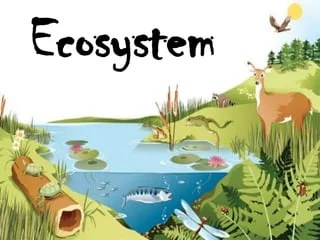
An ecosystem is more than just a collection of plants and animals; it is a complex and interdependent system where life interacts with the physical environment. Understanding ecosystems is crucial for appreciating how life on Earth functions and the role we play in it. This article delves into what ecosystems are, their components, dynamics, practical examples, and the impact of human activities on these delicate systems.
Defining the Ecosystem
At its core, an ecosystem encompasses all living organisms in a particular area, interacting with each other and their non-living environments. This includes everything from plants, animals, and microorganisms to soil, water, and air. Ecosystems can be vast, like an ocean, or quite small, like a pond.
Types of Ecosystems
Ecosystems are broadly classified into two types: terrestrial (land-based) and aquatic (water-based). There’s also a sub-category of artificial or man-made ecosystems, like urban areas.
Habitat vs. Ecosystem
While often used interchangeably, a habitat is different from an ecosystem. A habitat is where a particular species lives, while an ecosystem includes a habitat as part of a larger interactive system.
Components of an Ecosystem
Ecosystems consist of biotic (living) and abiotic (non-living) components.
Biotic Components
These include:
- Producers: Organisms that synthesize food from inorganic substances (e.g., plants).
- Consumers: Organisms that consume other organisms (e.g., animals).
- Decomposers: Organisms that break down dead material (e.g., fungi).
Abiotic Components
These are non-living factors that influence an ecosystem, such as sunlight, temperature, soil, and water.
Ecosystem Dynamics and Interactions
The interaction between these components creates a dynamic system.
Food Chains and Food Webs
These illustrate the flow of energy and nutrients from one organism to another.
Energy Flow
Energy in ecosystems flows from producers to consumers and is illustrated by energy pyramids.
Ecosystem Services
These are benefits ecosystems provide, like pollination, water filtration, and carbon storage.
Practical Examples of Ecosystems
Tropical Rainforest Ecosystem
Characterized by high biodiversity, tropical rainforests have a wide variety of flora and fauna. They are crucial for oxygen production and carbon dioxide absorption.
Coral Reef Ecosystem
These underwater ecosystems are home to a multitude of species. Coral reefs are essential for protecting coastlines and supporting marine life.
Urban Ecosystem
Cities are ecosystems too, where humans, animals, and plants coexist. Urban ecosystems highlight the interaction between natural and built environments.
Human Impact on Ecosystems
Our activities significantly impact ecosystems. While some are beneficial, many are detrimental, leading to habitat destruction, pollution, and climate change. Conservation and sustainable practices are vital for the health of ecosystems.
The Role of Technology in Studying Ecosystems
Modern technology, like remote sensing and AI, has revolutionized our understanding of ecosystems. Citizen science initiatives also play a crucial role in ecosystem research and conservation.
Check more examples here
Conclusion
Ecosystems are fundamental to life on Earth. They maintain environmental balance and support all living beings. Understanding and preserving these systems is not just a scientific pursuit but a necessity for our survival and well-being. As we continue to learn about and interact with ecosystems, it’s crucial to adopt practices that promote their health and sustainability.
 The Ecosystem